How to Organize Your BBQ Rubs, Sauces, and Seasonings Like a Real Pitmaster
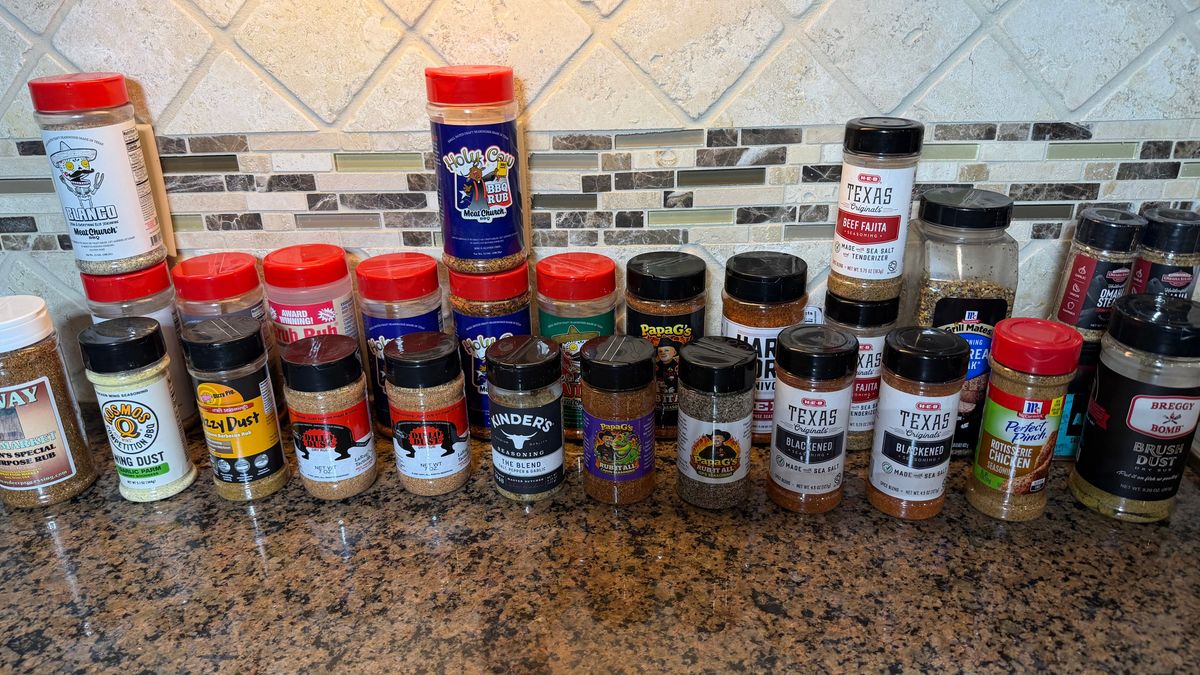
Every backyard griller has the same shelf. Three bottles of the same hot sauce bought six months apart because you forgot you already had one. A rub from two summers ago that might still be good. A mystery seasoning with no label that you swear came from a competition team at some point. Half-empty bottles of marinades shoved behind a bag of charcoal.
You love grilling. You love collecting sauces and rubs. But your BBQ pantry looks like a yard sale, and you have no idea what you actually have.
Sound familiar? You are not alone. Most grillers accumulate products faster than they can use them, and without any system to track what they own, what they are running low on, and what actually pairs well with what they are cooking tonight, the whole collection becomes dead weight.
This guide is going to fix that. We will walk through what every backyard griller actually needs in their collection, how to organize it so nothing gets lost or wasted, and how to start tracking your stache so you always know exactly what you are working with.
The Problem With Every Griller's Shelf
Here is what happens to most of us. You are at HEB or Costco and you see a new rub from Meat Church or Killer Hogs. The label looks great, the flavor profile sounds perfect for the brisket you have been planning, so you grab it. You get home, toss it on the shelf, and forget about it.
Three weeks later you are prepping for a cook and you cannot find that rub. You dig through a pile of bottles, find two expired sauces and a bag of wood chips you forgot you bought. You end up using the same old standby seasoning because it is the only thing you can put your hands on quickly.
This cycle repeats until your shelf is a graveyard of impulse buys, duplicates, and expired products. The rubs you actually love get buried. The sauces that pair perfectly with chicken thighs sit behind a wall of things you will never use again.
The fix is not complicated. You just need a system.
What Every Backyard Griller Actually Needs
Before you organize anything, it helps to know what a solid BBQ collection looks like. You do not need fifty rubs. You need the right ones covering the right categories so you are ready for any cook.
Rubs and Seasonings
A good starting lineup covers these bases. First, you need a versatile all-purpose rub. Something like Meat Church Holy Cow or Killer Hogs AP Rub that works on beef, pork, and chicken without overpowering anything. This is the one you reach for when you do not want to overthink it.
Next, a dedicated beef rub with coarse black pepper and garlic as the foundation. This is your brisket and steak workhorse. Then a poultry-specific rub, something with herbs and a little sweetness that complements chicken and turkey without making them taste like a beef cook. A hot or spicy option rounds things out for wings, sausage, and anyone at the table who wants more heat.
Finally, keep a basic salt and pepper blend on hand. Sometimes simple is the move, especially for high-quality steaks where the meat should do the talking.
Sauces
Sauce preferences are personal, but covering a few styles means you are never scrambling. A Kansas City style sweet and thick sauce handles ribs and pulled pork. A vinegar-based Carolina style sauce cuts through fatty meats like pork shoulder. A hot sauce or pepper sauce adds heat without changing the flavor profile of the meat. And a finishing glaze or honey-based sauce gives you that competition-style shine on ribs and wings.
Wood and Pellets
If you smoke or use a pellet grill, your wood selection matters as much as your rub. Hickory is the all-around classic for beef and pork. Cherry adds a subtle sweetness and a beautiful mahogany color to chicken and ribs. Mesquite burns hot and bold, best in small doses or for quick grills like fajitas. Apple and pecan are mild and forgiving, great for beginners or long smokes where you do not want to overpower the meat.
Keep at least two varieties on hand so you can match wood to protein without running to the store mid-cook.
Oils and Marinades
A bottle of high-heat cooking oil like avocado oil is essential for griddle cooking and searing. Keep a basic marinade or two around for chicken and fajita nights. Olive oil works for vegetables and lighter grilling.
How to Actually Organize Your Grilling Supplies
Now that you know what belongs in a solid collection, here is how to keep it from turning into chaos again.
Group by Category
This sounds obvious but almost nobody does it. Put all your rubs together. All your sauces together. Wood and pellets in their own spot. When everything is grouped, you can see at a glance what you have and what you are missing. No more digging through a pile to find the one bottle you need.
Face Labels Forward
Sounds minor, but being able to read every label without picking up bottles saves real time when you are mid-cook and your hands are covered in raw meat. Line them up like a store shelf, labels out.
Check Expiration Dates Twice a Year
Most dry rubs last one to two years if sealed well. Sauces vary, with some vinegar-based sauces lasting a long time and cream-based sauces going bad faster. Do a quick sweep at the start and end of grilling season. If something smells off or has been open for over a year, toss it. Expired rubs lose potency and dull flavors that were not meant to be dull.
Know What You Have, What You Need, and What Is Running Low
This is where most grillers fall apart. You can organize your shelf perfectly, but if you do not track what you are running low on, you will keep buying duplicates and forgetting to replace the things that actually ran out.
The simplest version of this is a note on your phone. The better version is a system that tracks your entire collection, flags items that are running low, and builds a shopping list based on what you actually need.
Tracking Your Stache With CookStache
This is exactly why we built CookStache. It is a free app for backyard grillers that lets you track your entire BBQ inventory, what we call your stache.
You can add items by scanning the barcode, snapping a photo with AI-powered recognition, or entering them manually. Each item in your stache has a status: Have It, Running Low, or Need It. When you mark something as running low, it drops onto your shopping list automatically.
The app also gives you AI-powered pairing suggestions. Wondering what rub works best on chicken thighs at 275 degrees on your pellet grill? Your stache knows what you have, and CookStache suggests how to use it.
Beyond inventory, you can log your cooks, track what worked and what did not, and build a personal record of every session at the grill. Over time, you start to see patterns: which rubs you actually use, which proteins you cook most, and which products are just collecting dust.
CookStache is free, with no paywalls and no subscriptions. We are currently in beta and gearing up for our public launch.
Your Starter Stache Checklist
If you are building your collection from scratch or cleaning house and starting fresh, here is the short list to cover your bases.
Rubs and Seasonings: All-purpose rub, beef and brisket rub, poultry rub, hot and spicy rub, salt and pepper blend.
Sauces: Kansas City style sweet sauce, Carolina vinegar sauce, hot sauce, finishing glaze.
Wood and Pellets: Hickory, cherry, plus one mild option like apple or pecan.
Oils and Staples: Avocado oil or high-heat cooking oil, olive oil, one go-to marinade.
That is twelve to fifteen items total. Enough to handle any protein on any grill without overthinking it. Start there, track what you use, and let your stache grow based on what you actually cook, not what looked cool at the store.
Stop Guessing, Start Tracking
The difference between a griller who wings it and a griller who nails it every time is not talent. It is knowing what you have, knowing what works, and having a system that keeps it all straight.
Organize your shelf. Track your stache. Cook with confidence.
CookStache Is Almost Here
CookStache is getting ready to launch, and we are looking for backyard grillers to help us test it before it hits the App Store. As a beta tester, you will be one of the first to try the app, give direct input that shapes the final product, and lock in early access before the public release.
Want to test the app? Join the beta on TestFlight. Want to stay in the loop on launch updates, grilling tips, and new features? Follow us and sign up for news.
Join the Beta on TestFlight | Follow @cookstache on Instagram | Visit cookstache.com